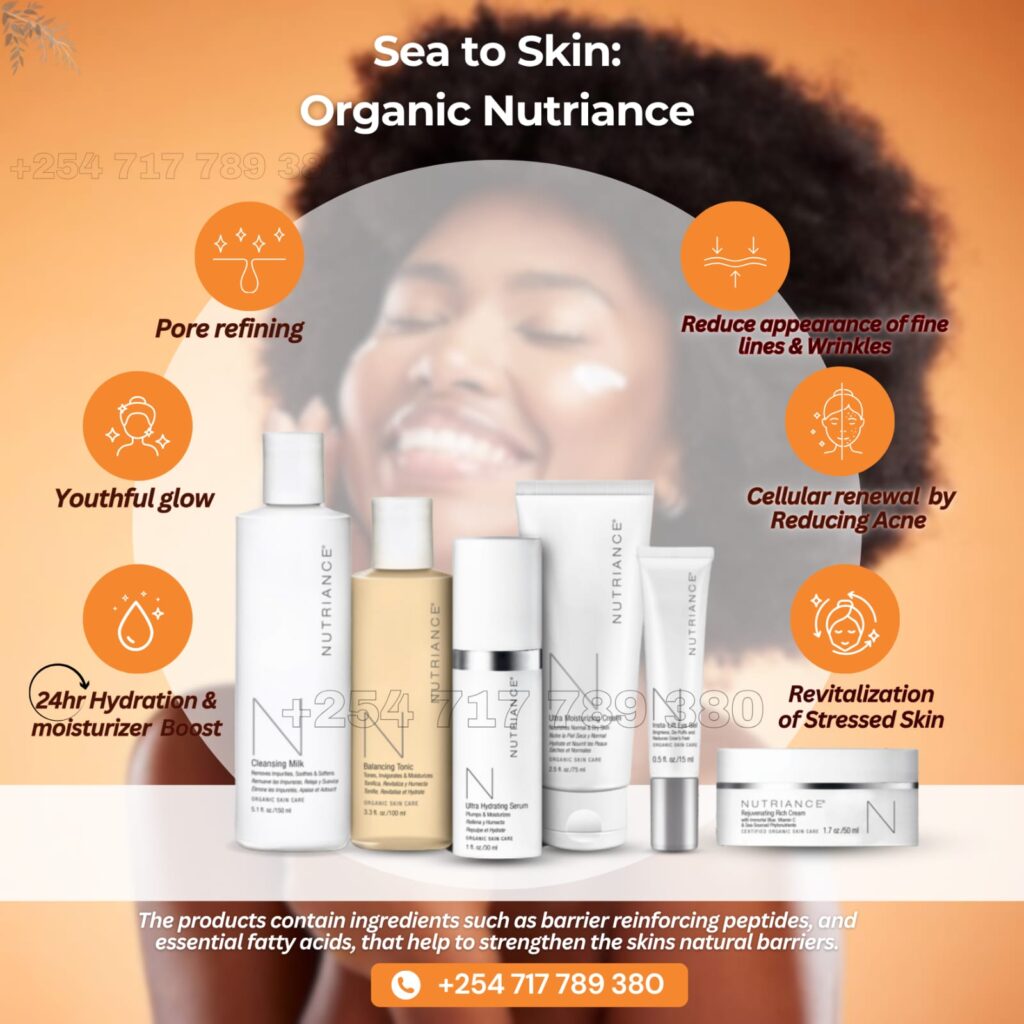
The Difference Between Cleansers, Toners, Serums, and Moisturizers
A well-rounded skincare routine doesn’t have to be complicated, but understanding the role of each product is essential for achieving healthy, radiant skin. Many people wonder whether they really need a cleanser, toner, serum, and moisturizer—or if some of these products are just optional extras.
The truth is that each product serves a unique purpose and works together to keep your skin clean, balanced, hydrated, and protected. Let’s break down the differences between cleansers, toners, serums, and moisturizers so you can build a skincare routine that works for your skin type and concerns.
1. Cleansers: The Foundation of Every Skincare Routine
A cleanser is the first and most important step in any skincare routine. Its primary job is to remove dirt, excess oil, makeup, sweat, and environmental pollutants that accumulate on the skin throughout the day.
What Does a Cleanser Do?
- Removes impurities and buildup
- Prevents clogged pores
- Helps reduce breakouts
- Prepares the skin for other skincare products
Types of Cleansers
- Gel Cleansers: Best for oily and acne-prone skin
- Cream or Milk Cleansers: Ideal for dry and sensitive skin
- Foaming Cleansers: Effective for removing excess oil
- Oil Cleansers: Great for dissolving makeup and sunscreen
How Often Should You Use It?
Cleanse your face twice daily—once in the morning and once before bed.
2. Toners: The Skin Balancers
After cleansing, a toner helps refresh and rebalance the skin. Modern toners do much more than simply remove leftover residue. They can hydrate, soothe, brighten, or gently exfoliate depending on their ingredients.
What Does a Toner Do?
- Restores the skin’s natural balance
- Removes any remaining traces of dirt or cleanser
- Provides lightweight hydration
- Helps prepare the skin to absorb serums and moisturizers more effectively
Common Toner Ingredients
- Rose Water: Soothes and hydrates
- Aloe Vera: Calms irritation
- Witch Hazel: Helps control oil
- Hyaluronic Acid: Boosts hydration
- Niacinamide: Improves skin tone and texture
Who Should Use a Toner?
Most skin types can benefit from a toner, especially those dealing with dryness, uneven skin tone, or excess oil production.
3. Serums: The Treatment Specialists
Serums are highly concentrated formulations designed to target specific skin concerns. Because they contain smaller molecules, they penetrate deeper into the skin than moisturizers.
What Does a Serum Do?
- Delivers powerful active ingredients
- Targets specific skin concerns
- Improves overall skin health and appearance
Common Types of Serums
Vitamin C Serum
- Brightens dull skin
- Reduces the appearance of dark spots
- Provides antioxidant protection
Hyaluronic Acid Serum
- Intensely hydrates
- Plumps the skin
- Reduces the appearance of fine lines caused by dehydration
Retinol Serum
- Supports skin renewal
- Improves texture
- Helps reduce visible signs of aging
Niacinamide Serum
- Minimizes the appearance of pores
- Balances oil production
- Helps improve skin tone
Who Should Use a Serum?
Anyone looking to address specific concerns such as acne, aging, dehydration, hyperpigmentation, or uneven texture.
4. Moisturizers: The Hydration Protectors
A moisturizer helps lock in hydration and supports the skin’s natural protective barrier. Even oily skin needs moisturizing to maintain balance and prevent dehydration.
What Does a Moisturizer Do?
- Hydrates the skin
- Prevents moisture loss
- Strengthens the skin barrier
- Leaves skin feeling soft and smooth
Types of Moisturizers
- Lightweight Gels: Ideal for oily and combination skin
- Lotions: Suitable for normal skin
- Creams: Best for dry skin
- Rich Creams: Excellent for mature or very dry skin
Why Moisturizing Matters
When the skin lacks moisture, it can become irritated, flaky, and more vulnerable to environmental damage. Consistent moisturizing helps maintain healthy, resilient skin.
How These Products Work Together
Think of your skincare routine as a team effort:
- Cleanser cleans the skin.
- Toner balances and prepares the skin.
- Serum treats specific concerns.
- Moisturizer seals in hydration and protects the skin.
Recommended Routine
Morning Routine
- Cleanser
- Toner
- Vitamin C Serum
- Moisturizer
- Sunscreen
Evening Routine
- Cleanser
- Toner
- Treatment Serum
- Moisturizer
Choosing the Right Products for Your Skin Type
Oily Skin
- Gel cleanser
- Balancing toner
- Niacinamide serum
- Lightweight gel moisturizer
Dry Skin
- Cream cleanser
- Hydrating toner
- Hyaluronic acid serum
- Rich moisturizing cream
Combination Skin
- Gentle cleanser
- Hydrating toner
- Targeted serum
- Lightweight moisturizer
Sensitive Skin
- Fragrance-free cleanser
- Soothing toner
- Gentle hydrating serum
- Barrier-supporting moisturizer
The Bottom Line
Cleansers, toners, serums, and moisturizers each play a distinct role in maintaining healthy skin. Cleansers remove impurities, toners balance and prepare the skin, serums deliver targeted treatments, and moisturizers lock in hydration while protecting the skin barrier.
By understanding the purpose of each product and selecting formulas suited to your skin type, you can create a simple yet effective skincare routine that promotes healthier, smoother, and more radiant skin every day.
Healthy skin isn’t about using more products—it’s about using the right products in the right order.